
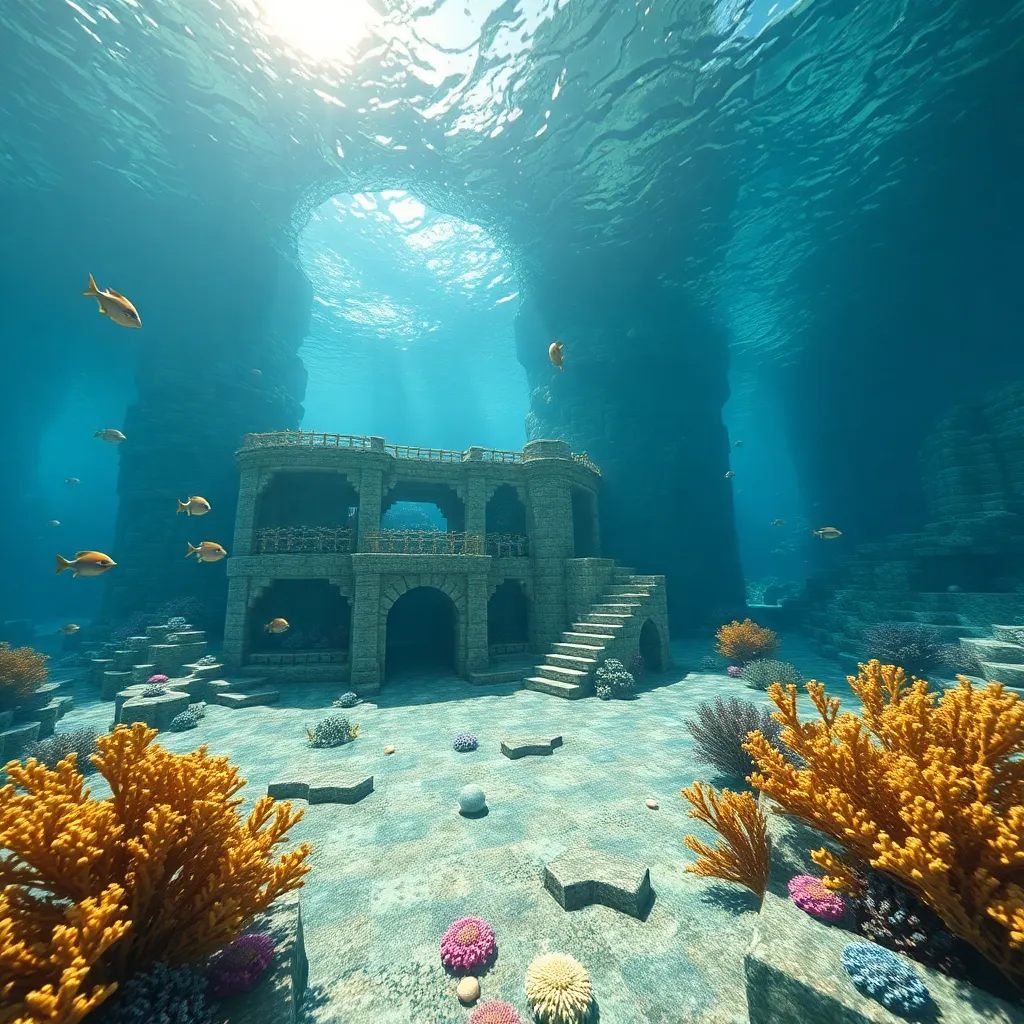
Introduction to underwater building in Minecraft 1.20
Minecraft 1.20 offers a wealth of opportunities to build creative and functional underwater structures. These structures are not only aesthetically pleasing, but also practical for underwater survival. Whether you want to build an underwater base, a house or an entire city, the latest version of the game allows you to turn your dreams into virtual reality.
Advantages of underwater buildings
Building under water has unique advantages. In addition to the impressive appearance, it offers protection from many dangers lurking on the surface. Underwater buildings can offer you the following advantages:
- Protection from enemies: Many enemy mobs avoid the water or have difficulty moving underwater.
- Access to resources: The seabed is home to valuable resources such as corals, barnacles and various types of shells.
- Cooling effect: In hot climates, an underwater structure can provide a pleasant cooling effect.
Choosing the right materials
Choosing the right materials is crucial to the success of your underwater build. Here are some of the best materials you can use in Minecraft 1.20:
Glass blocks
Glass blocks are a popular choice for underwater constructions. They not only offer protection from enemies, but also provide a clear view of the underwater world. With the improved textures and shaders in Minecraft 1.20, you can make the environment even more realistic.
New blocks and tools
Minecraft 1.20 has introduced a variety of new blocks and tools that make the building process easier. Materials such as prismatic blue and dark prismatic are ideal for underwater architecture. In addition, new tools enable more precise and fast construction work under water.
Integration of Redstone mechanics
Redstone mechanics offer endless possibilities for automating and improving your underwater base. Here are some possible applications:
- Automated oxygen supply: With Redstone, you can control oxygen generators that continuously supply your base with oxygen.
- Door control systems: Secure your base with automatic doors that open or close when approached.
- Lighting systems: Automate the lighting to save energy and create a pleasant atmosphere.
By integrating Redstone mechanics, you can not only increase the functionality of your underwater base, but also improve its safety and efficiency.
Practical advantages of a well-planned underwater structure
In addition to their aesthetic appeal, underwater structures in Minecraft 1.20 also offer practical advantages:
- Resource collection: A well-planned underwater structure gives you easy access to rare resources such as corals, barnacles and various sea creatures.
- Safety from danger: The depth of the water provides natural protection from many surface dangers, such as hostile mobs and environmental influences.
- Efficient terrain management: Underwater structures can help to control the surrounding terrain and protect it from undesirable influences.
Design tips for aesthetic underwater structures
An impressive underwater structure is characterized not only by its size, but also by its design. Here are some tips for creating aesthetically pleasing structures:
- Natural shapes: Integrate natural elements such as coral reefs and rocks into your design to create a harmonious connection with the surroundings.
- Lighting: Use lighting in a targeted manner to create interesting shadows and highlights. Underwater lighting can create a mystical atmosphere.
- Color palette: Choose a harmonious color palette that matches the natural colors of the sea. Colors such as blue, green and turquoise have a particularly calming effect.
- Transparent materials: Use transparent or semi-transparent materials such as glass or Prismarin to increase visibility and light transmission.
Examples of impressive underwater buildings
To find inspiration for your own projects, here are some examples of impressive underwater buildings in Minecraft 1.20:
- Underwater city: A complete city with residential buildings, stores and public squares, all under water.
- Research laboratory: A specialized laboratory for researching the marine world, equipped with high-tech equipment and storage space.
- Aquarium Hotel: A luxurious hotel with huge aquariums in the rooms that offer a spectacular view of the underwater world.
These examples show how diverse and creative underwater buildings can be in Minecraft 1.20.
Step-by-step instructions for building an underwater base
If you want to build your own underwater base, follow these simple step-by-step instructions:
Step 1: Location selection
Choose a suitable location for your base. Make sure that the area is rich in resources and offers good visibility.
Step 2: Collecting materials
Gather all the necessary materials, including glass blocks, prismatic blue, redstone components and lighting elements.
Step 3: Building the base frame
Build the skeleton of your base by constructing a solid structure underwater. Use glass blocks for the walls to ensure a clear view.
Step 4: Interior design
Furnish the interior of your base. This includes sleeping areas, storage rooms, workshops and possibly a redstone control center.
Step 5: Redstone integration
Integrate redstone mechanics to automate and secure your base. Install systems for oxygen supply, lighting and door control.
Step 6: Decoration and details
Add decorative elements to make your base more appealing. Use natural materials and decorations that match the underwater environment.
With this guide you can create a functional and aesthetic underwater base in Minecraft 1.20.
Common challenges and solutions in underwater construction
Various challenges can occur when building underwater in Minecraft 1.20. Here are some common problems and their solutions:
- Water leaks: Make sure all walls and ceilings are completely closed to prevent water leaks. Use glass blocks or other waterproof materials.
- Lighting: Dark areas can occur underwater. Use sufficient lighting to illuminate your base well and increase visibility.
- Obtaining materials: Some materials are more difficult to collect underwater. Plan ahead and gather the necessary resources before you start building.
- Redstone complexity: Redstone mechanics can be more difficult to implement underwater. Use specialized tools and techniques to use redstone effectively.
With careful planning and preparation, you can overcome these challenges and create an impressive underwater base.
Conclusion
Minecraft 1.20 opens up new horizons for creative and functional underwater constructions. With the right planning, the right materials and the integration of Redstone mechanics, you can create impressive structures that are both aesthetically pleasing and practical. Whether you want to build a small underwater hut or a large city, the possibilities are almost endless. Take advantage of the new features in Minecraft 1.20 to make your underwater dreams a reality and take your Minecraft world to the next level.